Desert environments kill faster than any other terrain through dehydration and heat exposure. The Sahara, Atacama, Wadi Rum, and Thar each present unique challenges, but they share one rule: preparation determines survival. Even organized tours occasionally go wrong when vehicles break down or sandstorms delay evacuation. Understanding your body's water needs and the desert's behavior patterns is non-negotiable before you set foot on sand.


Water, Sun Protection, and What to Wear
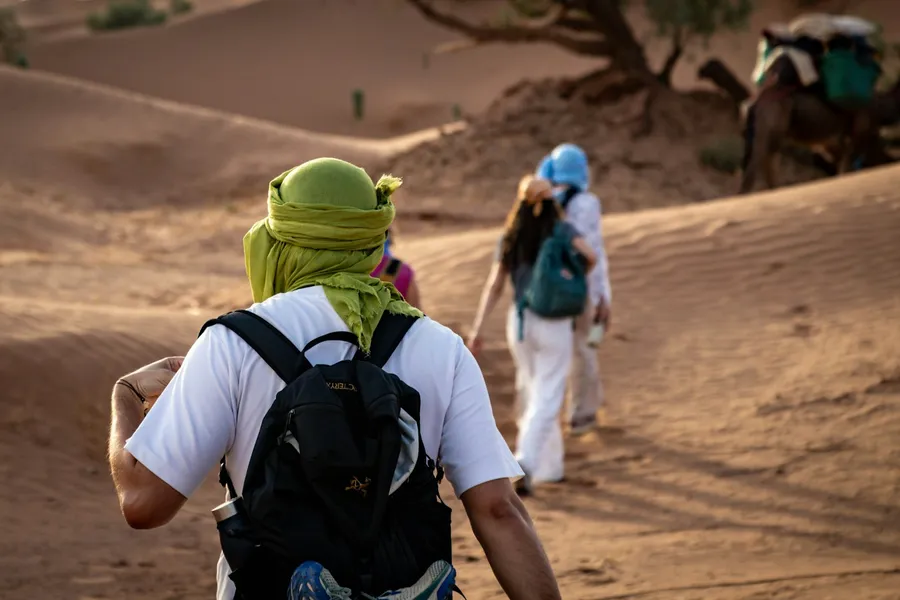
Your body loses 1-1.5 liters of water per hour in desert heat above 40C, which means you need a minimum of 4 liters per day for sedentary activity and 6-8 liters if hiking or moving camp. Carry water in multiple containers rather than one large vessel — if you drop or puncture your single supply, you're in immediate danger. Hydration bladders work for drinking on the move, but supplement with rigid bottles that won't fail. For sun protection, SPF 50+ sunscreen reapplied every 90 minutes is the baseline, but physical coverage matters more: wear a wide-brimmed hat, UV-blocking sunglasses with side shields, and a lightweight long-sleeve shirt in breathable linen or merino wool. Cotton absorbs sweat and becomes a cold compress — useful in dry heat but dangerous if temperatures drop at night, which they do dramatically in most deserts. The Sahara routinely swings from 45C daytime to 5C at night. Pack a merino base layer and a lightweight down jacket regardless of how absurd it seems when you're sweating at noon.
Find a travel companion who matches your style and budget
Download Roammate — FreeSandstorms, Navigation, and Best Seasons
Sandstorms in the Sahara peak from March through May, making October to February the ideal visiting window when temperatures are manageable at 20-30C daytime. The Atacama is accessible year-round but June through September offers clearer skies for stargazing — the desert sits at 2,400 meters altitude so nights are cold even in summer. Wadi Rum in Jordan is best from October to April, and its contained valley geography makes sandstorms less common but not impossible. When a sandstorm hits, your priorities are breathing protection and shelter. A shemagh or buff pulled over your nose and mouth filters the worst particles; swimming goggles protect your eyes far better than sunglasses. If you're caught in the open, sit with your back to the wind and cover your gear with a tarp or emergency blanket. Never try to drive or walk through a sandstorm — visibility drops to under two meters and you will lose direction within minutes. Carry a GPS device with spare batteries as a navigation backup to your guide, and mark your camp coordinates every time you stop. Phone GPS works in deserts since it relies on satellites, not cell towers, but battery drain from screen brightness in sunlight kills phones in 3-4 hours.