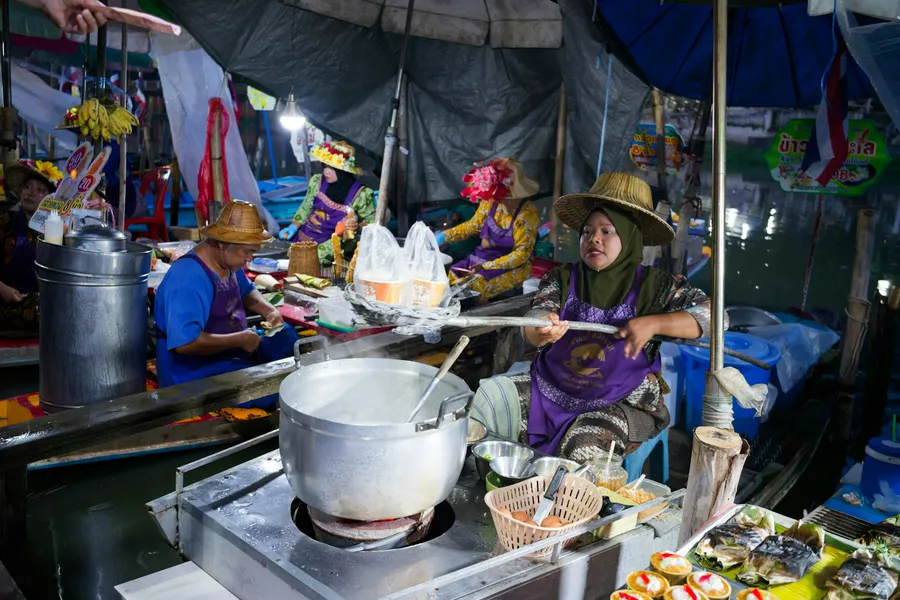
Eating out for every meal adds up fast, even in cheap destinations. Cooking from local markets cuts food costs by 50 to 70 percent while connecting you with ingredients and flavors that restaurant menus filter out. A morning market visit in Chiang Mai, Oaxaca, or Marrakech is itself a travel experience. With a few portable tools and basic recipes, you can turn market finds into memorable meals in any hostel kitchen.


Finding Markets and Communicating Without Language
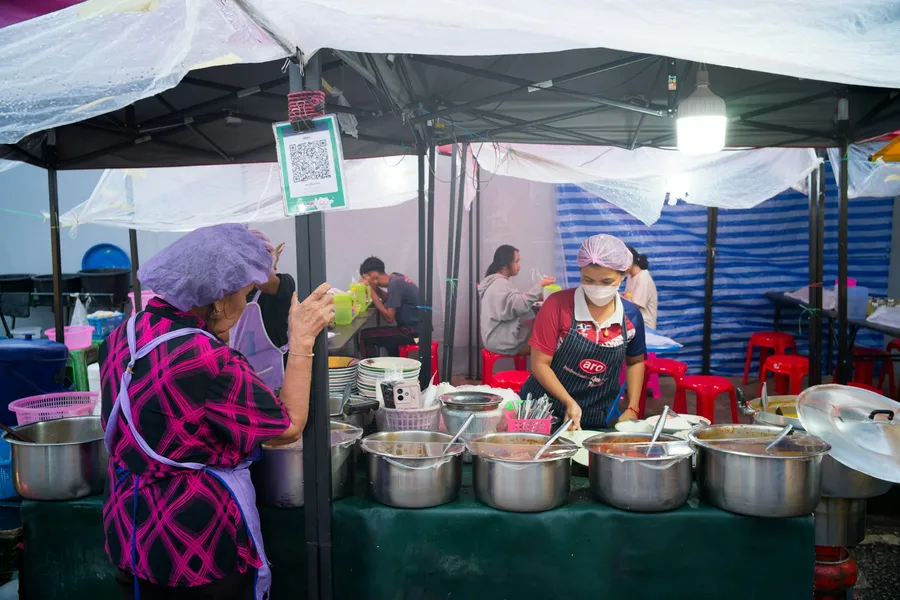
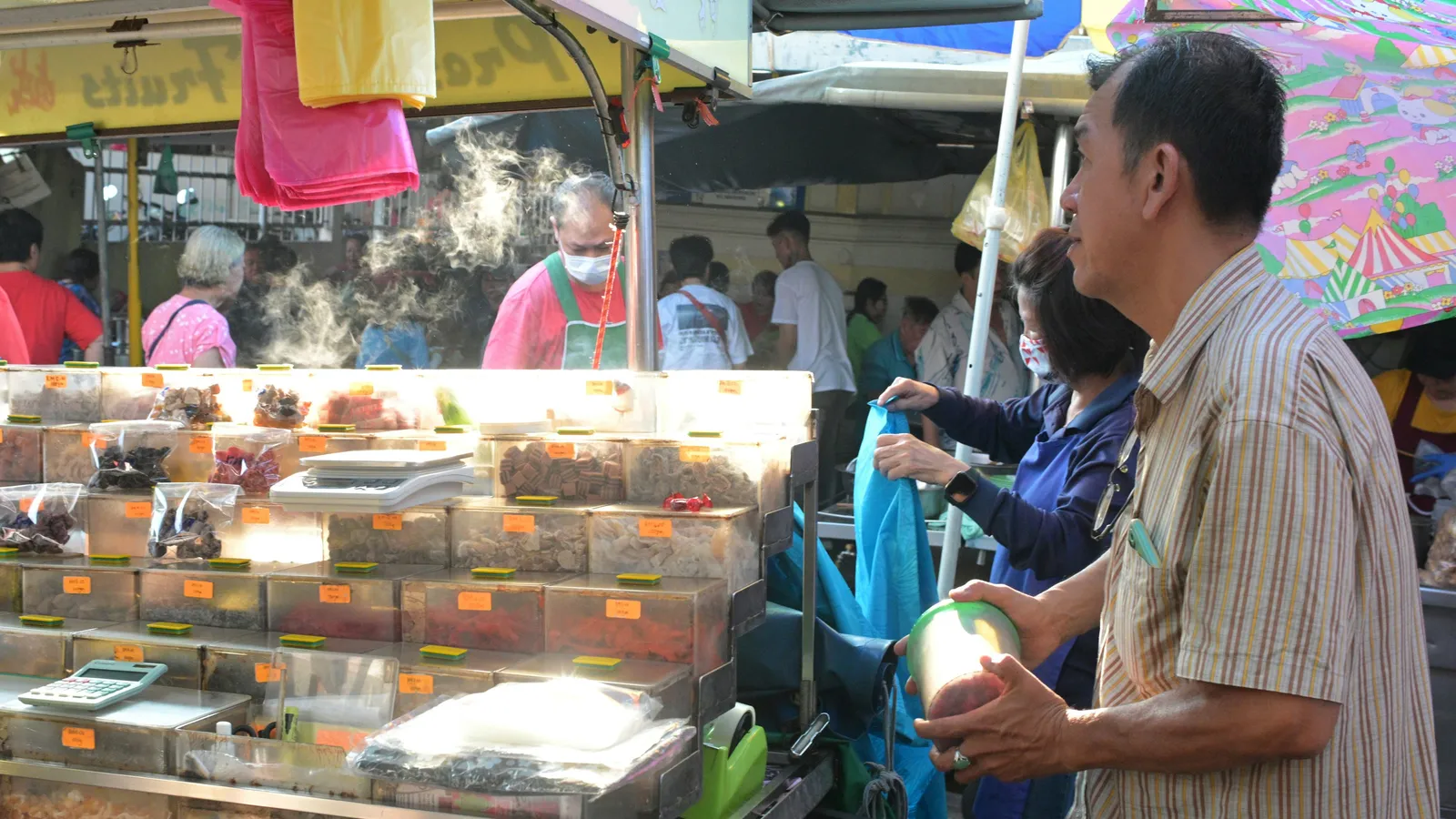
Morning markets (6-10am) sell the freshest produce at the lowest prices. Evening markets cater to dinner crowds and often discount unsold stock in the last hour. Google Maps labels most markets, but asking hostel staff for the local market (not the tourist one) yields better prices. In Southeast Asia, wet markets open before dawn and wind down by noon. In Latin America, mercados municipales operate all day but mornings are best for fish and meat. Communication is simpler than you think. Point at what you want, hold up fingers for quantity, and use your phone calculator to confirm price. Download Google Translate offline packs for the local language. Learn just three phrases: how much, one kilo, and thank you. Vendors appreciate the effort. For food safety, buy produce you can peel or cook. Avoid pre-cut fruit sitting in the sun. Meat and fish should be firm, not slimy, and bought from stalls with active turnover rather than empty ones with flies.
Find a travel companion who matches your style and budget
Download Roammate — FreePortable Cooking Setup and Market Recipes
Your hostel cooking kit fits in a ziplock bag: a sharp folding knife ($8, Opinel No.8), a small cutting board (flexible silicone, $5), salt and pepper packets, a travel-size olive oil bottle, and a few spice sachets. Most hostels provide pots, pans, and plates. Three universal market recipes work anywhere in the world. First, a vegetable stir-fry: buy whatever greens, onions, garlic, and chili are cheapest, cook in oil with soy sauce for five minutes. Cost: $1-2 per serving. Second, pasta with market sauce: tomatoes, garlic, onion, and herbs simmered with dried pasta ($1.50 total). Third, rice bowl: cook rice (most Asian hostels have rice cookers), top with a fried egg, pickled vegetables, and chili sauce from the market ($0.80). Seasonal produce is always cheapest. In Southeast Asia, a kilo of mangoes costs $0.50-1 in season versus $3 off-season. Latin American markets sell avocados for $0.20 each. Mediterranean markets overflow with $1-per-kilo tomatoes in summer. Cooking three market meals per day keeps food costs under $5-8 daily in most countries.