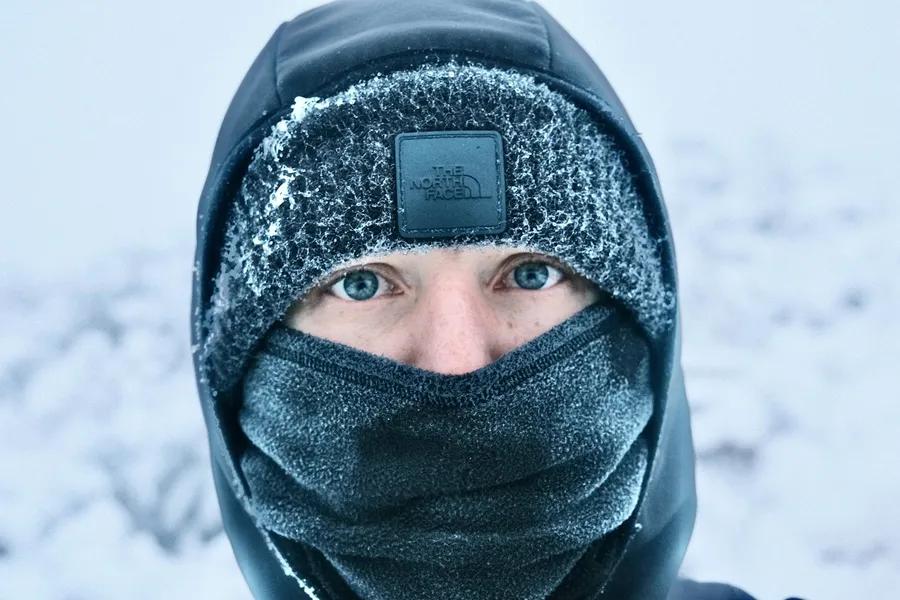
Traveling through cold climates with just a backpack demands a smart layering system. The classic three-layer approach, base, mid, and shell, lets you handle temperatures from minus five to ten degrees Celsius without overpacking. Whether you are trekking the Annapurna Circuit in November or crossing Patagonia in shoulder season, these principles keep you warm, dry, and mobile with a 40-litre bag.


The Three-Layer System on a Budget
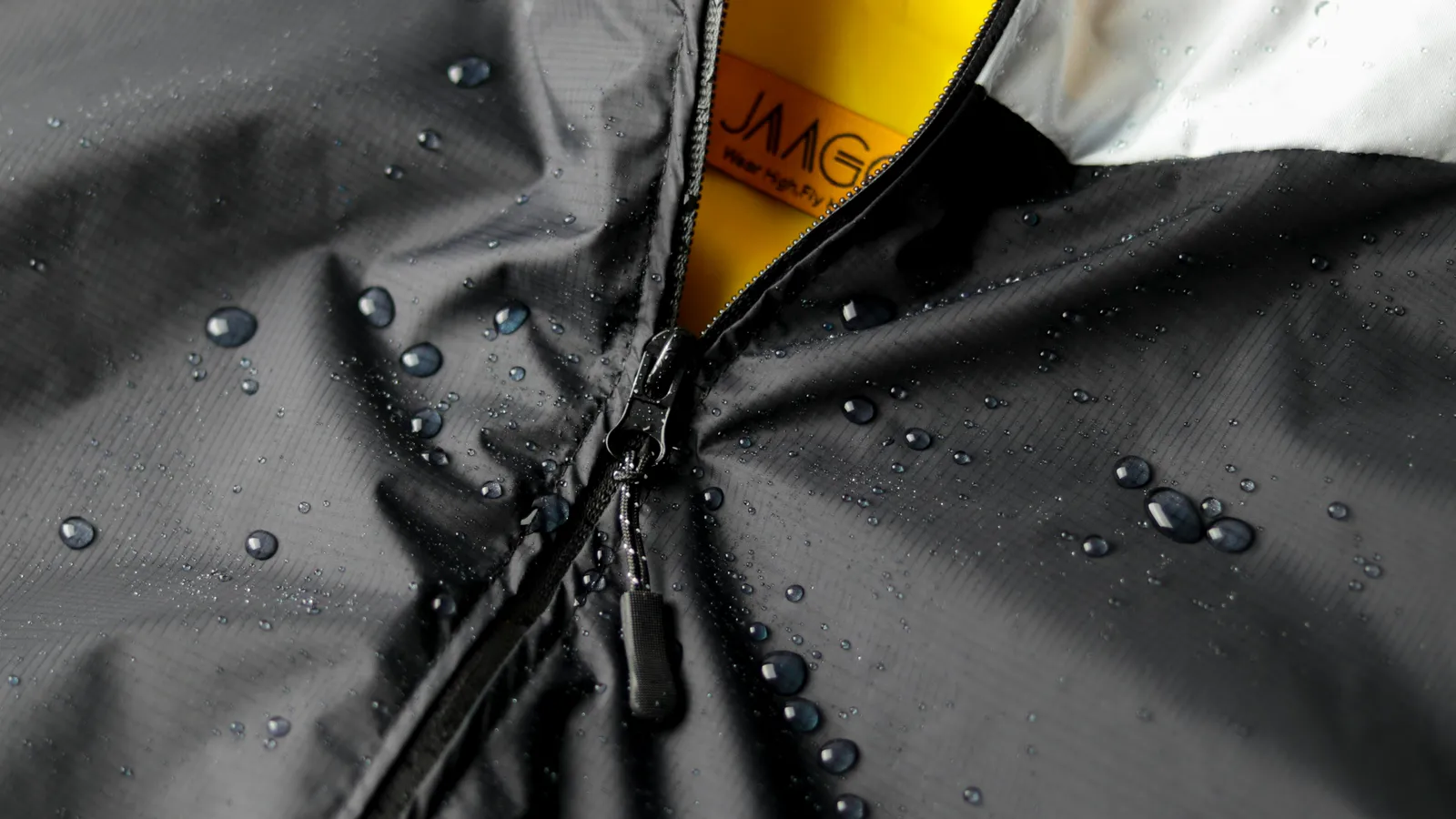
Your base layer sits against skin and wicks moisture. Merino wool from Decathlon Forclaz (around $25) outperforms cotton in every way, drying faster and resisting odor for days between washes. For mid layers, a Uniqlo Ultra Light Down jacket ($60) compresses to the size of a water bottle and handles temperatures down to zero Celsius when paired with a good base. Budget fleeces from Decathlon or Quechua ($20-30) work well as an alternative mid layer for milder cold. Your shell layer blocks wind and rain. The Decathlon MH500 rain jacket ($50) is waterproof to 5,000mm and weighs 350 grams. For premium options, the Patagonia Torrentshell ($150) or Arc'teryx Beta LT ($300) offer better breathability for active hiking. Total budget setup runs about $130 versus $500-plus for premium brands, and the performance gap is smaller than marketing suggests.
Find a travel companion who matches your style and budget
Download Roammate — FreePacking and Maintaining Cold Weather Gear
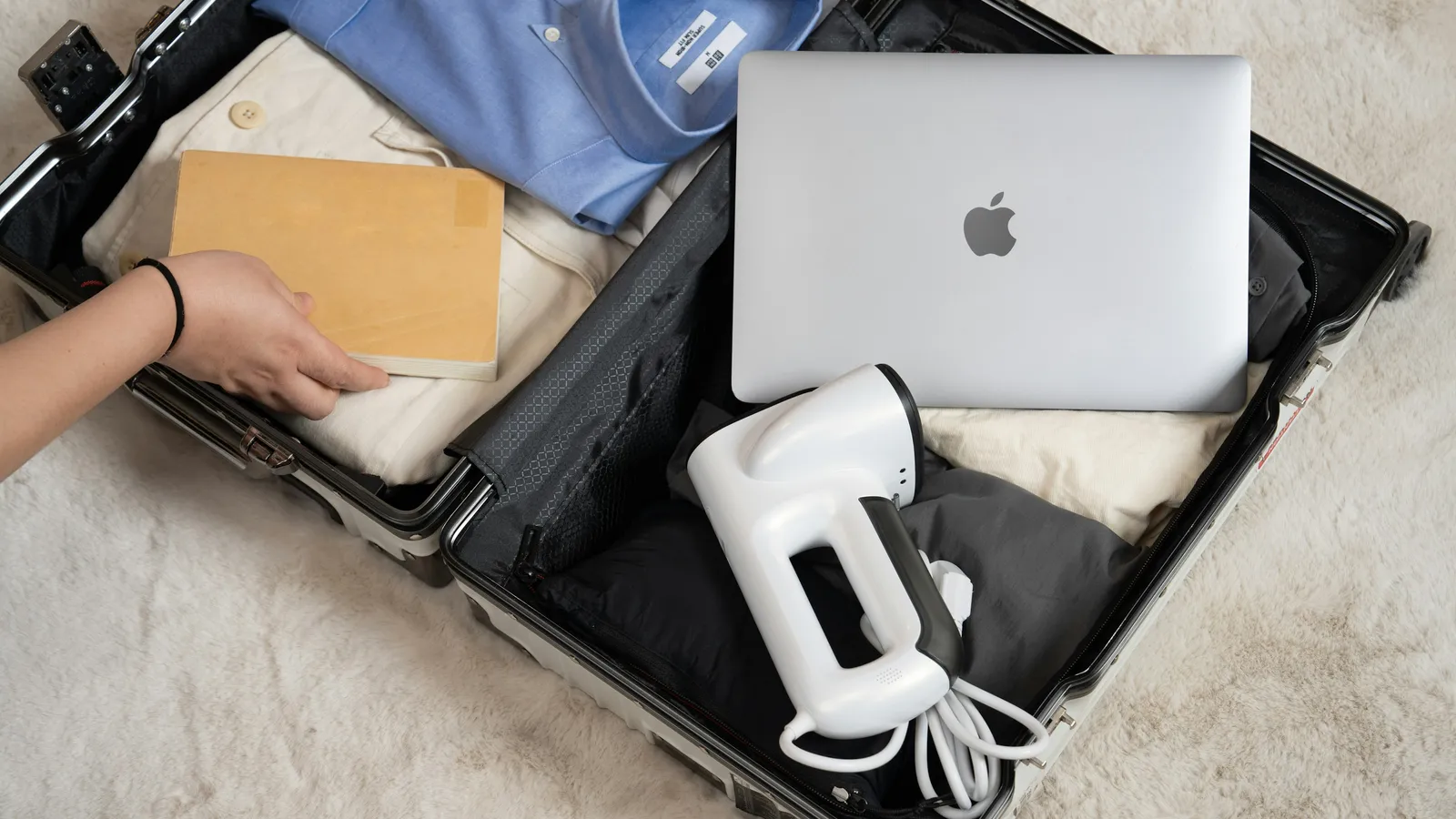
Fitting a cold weather kit into a 40L bag requires compression sacks and strategic packing. Roll your down jacket into its stuff sack and wedge it at the bottom. Pack merino base layers inside your shoes to save space. Keep your shell layer accessible at the top or strapped outside. Bring exactly two base layer sets so one can dry while you wear the other. In hostels, drape wet gear over the top bunk rail or a travel clothesline, positioning it near radiators or heating vents. A lightweight dry bag ($8) doubles as a laundry bag and keeps damp items separated. Avoid tumble drying down jackets as it damages loft. Instead, hang them and fluff by hand every few hours. Merino wool air-dries overnight in most heated dorm rooms. Pack a thin balaclava and merino liner gloves, both weigh under 80 grams combined and eliminate the need for bulky winter accessories.