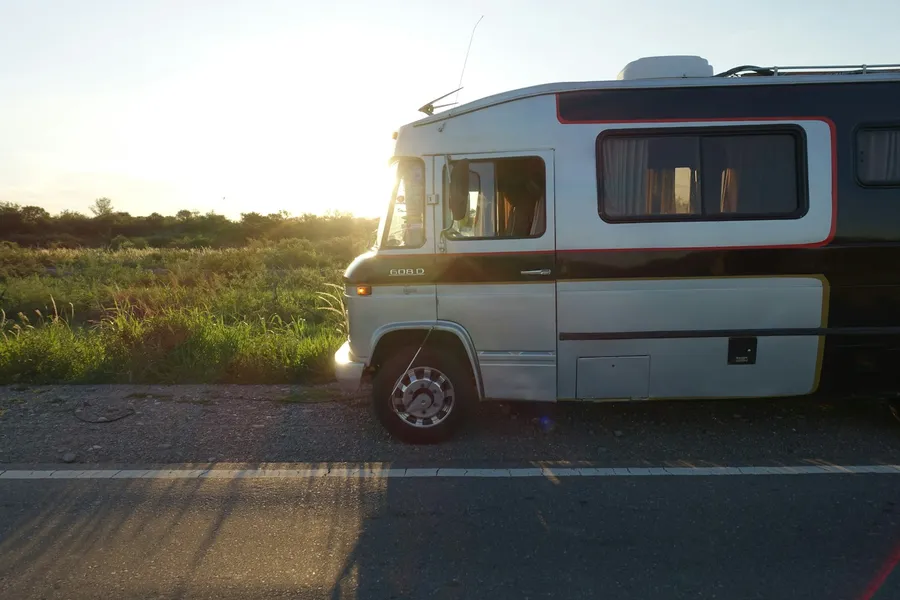
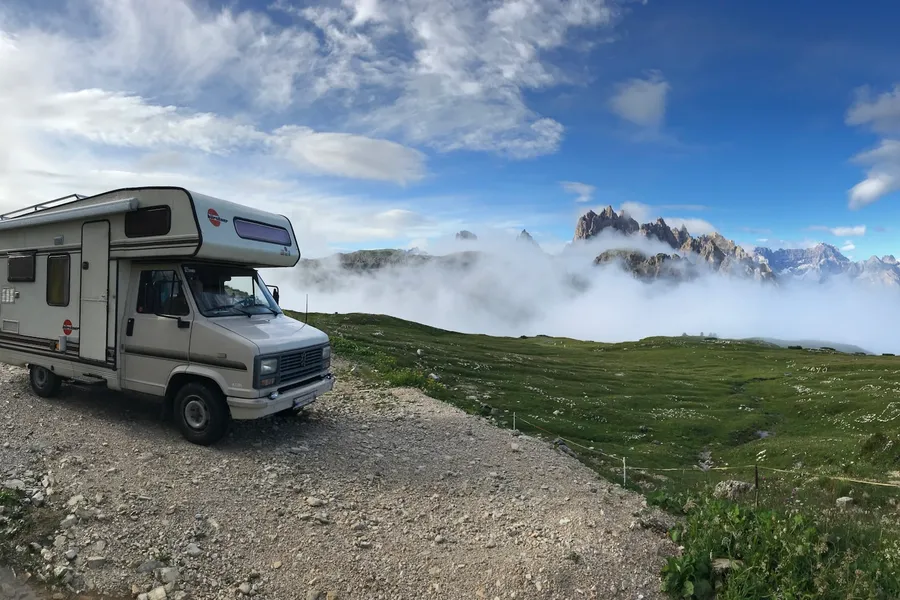
A campervan turns transportation into accommodation, kitchen, and living room in one. Countries like New Zealand, Australia, Iceland, and Portugal have built entire backpacker cultures around van travel. The freedom to wake up at a beach, drive to a mountain, and cook dinner overlooking a valley is unmatched. Whether you rent for two weeks or buy and sell over three months, the economics often beat hostel-plus-bus travel while offering far more flexibility.


Best Countries and Rental vs Buy-and-Sell
New Zealand is the gold standard for campervan travel. Freedom camping is legal at designated sites (download the CamperMate app), fuel costs are moderate ($1.80-2.20 NZD per liter), and the buy-sell market is active. Buy a self-contained van in Auckland for $4,000-8,000 NZD and sell it in Christchurch (or vice versa) three months later, losing $500-1,500 on depreciation. That works out cheaper than three months of hostels ($25/night x 90 nights = $2,250 NZD). In Australia, the east coast from Cairns to Melbourne is the classic route. Wicked Campers and Jucy rent from $35-60 AUD per day. For longer trips, buy from backpacker boards (Gumtree, Facebook groups) for $3,000-6,000 AUD. Iceland rentals run $80-150 USD per day from companies like CampEasy or KuKu Campers, expensive but camping replaces $150-plus hotel nights. Portugal and Spain offer mild weather year-round, free camping tolerance outside peak season, and cheap fuel ($1.50-1.80 EUR per liter). Park4Night app maps thousands of free overnight spots across Europe.
Find a travel companion who matches your style and budget
Download Roammate — FreeDaily Costs, Cooking Setup, and Route Planning
Daily campervan costs break down to fuel ($15-30 depending on country and distance), food ($10-20 cooking in the van), camping fees ($0-25, free if freedom camping), and incidentals ($5-10 for laundry, showers, and Wi-Fi). Total: $30-85 per day for two people, or $15-42 per person. Your cooking setup needs a two-burner gas stove (most rentals include one), a single pot, a frying pan, plates for two, and a cooler or fridge. Stock up at supermarkets every three to four days. Pasta, rice, eggs, vegetables, and canned goods form the base. Splurge on local specialties: fresh fish in Portugal, lamb in New Zealand, or smoked salmon in Iceland. For route planning, use iOverlander (global) or WikiCamps (Australia/NZ) to find overnight spots with reviews. Drive no more than three to four hours per day to avoid fatigue and actually enjoy stops. Plan routes in a loop so you can sell or return the van where you started. Always carry a basic toolkit, jumper cables, a tire repair kit, and a five-liter water container. Insurance through the rental company adds $15-25 per day but covers the $2,000-5,000 excess on most policies.