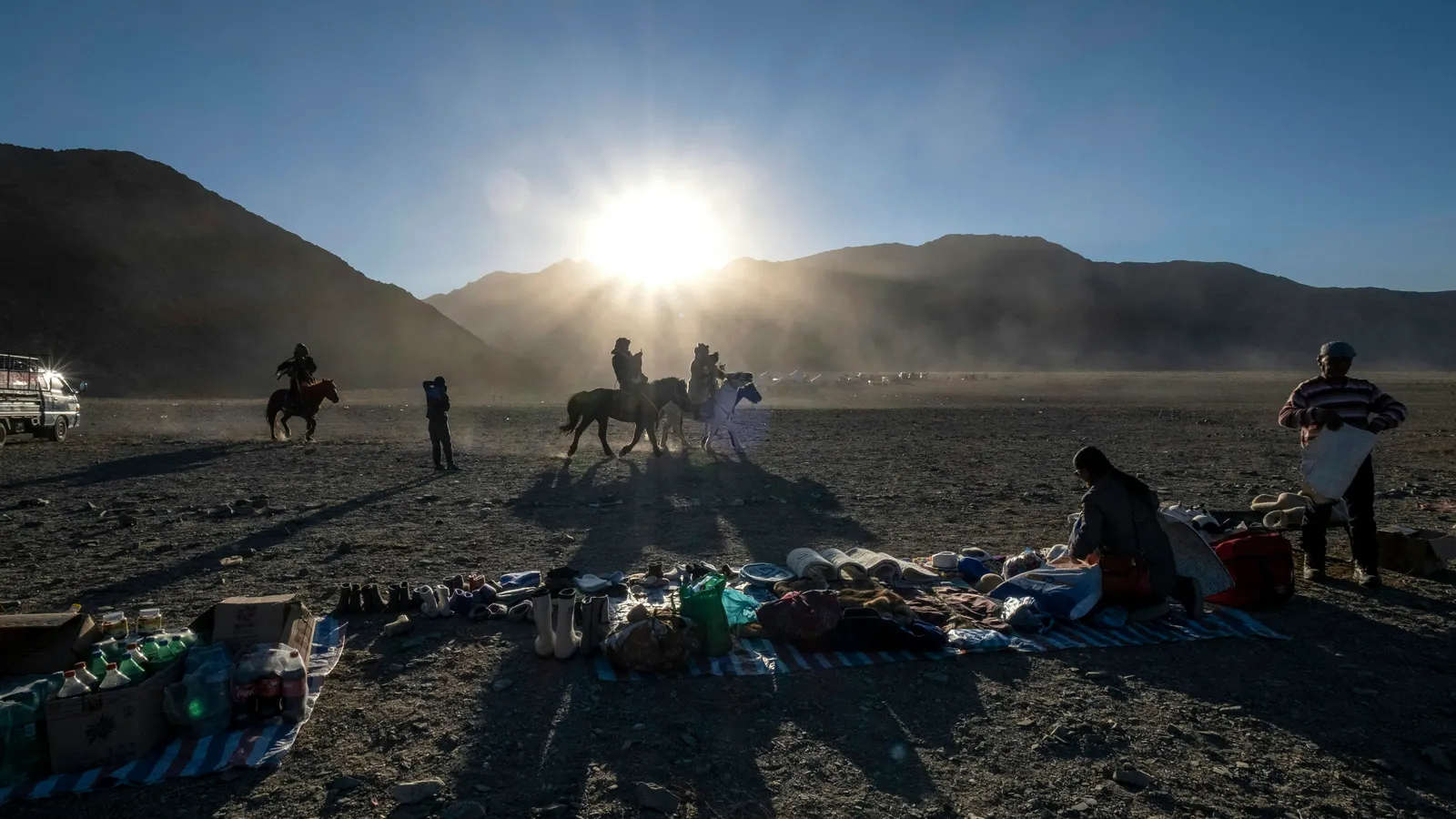
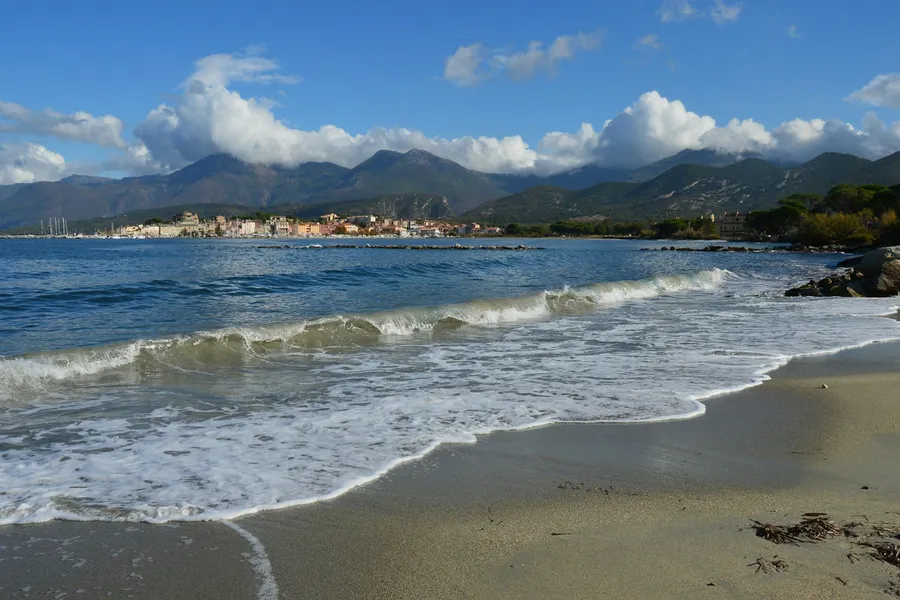
Canggu or Chiang Mai? Taghazout or Tbilisi? The beach-vs-mountain debate isn't just about preference — each environment creates fundamentally different work rhythms, social dynamics, and spending patterns. After working from both types extensively, the choice comes down to what kind of productivity and lifestyle you actually need right now, not which looks better on Instagram.


How Climate Shapes Your Actual Work Output
Beach towns in the tropics — Canggu, El Nido, Koh Phangan, Taghazout — impose a heat tax on afternoon productivity. By 1pm, temperatures hit 32-35 degrees, humidity soaks your shirt during the walk to the coworking space, and the ocean is calling with legitimate persuasion. Most beach-based remote workers settle into a 6am-12pm deep work block, take a 3-hour midday break for swimming and lunch, then squeeze in a lighter 4pm-6pm session for emails and admin. Total focused hours: roughly 5 per day. Mountain towns operate differently. Chiang Mai's November-February temperatures hover around 22-28 degrees all day. Medellin's Laureles neighborhood sits at 1,500 meters with a perpetual spring climate of 20-26 degrees. Da Lat in Vietnam's highlands stays cool year-round at 1,500 meters. This moderate climate supports a straight 8am-4pm work day without the heat-forced siesta. If you have demanding project deadlines or need to maintain a full work schedule, mountain towns consistently deliver more productive hours per week.
Find a travel companion who matches your style and budget
Download Roammate — FreeThe Social and Budget Equations Nobody Mentions
Beach towns attract a more transient, party-oriented crowd. Canggu's social scene centers around sunset drinks at Old Man's and beach clubs where the average evening out costs $30-40. This is energizing for the first two weeks and financially draining by week four. Mountain towns tend to attract longer-stay digital nomads with more routine-focused lifestyles. Chiang Mai's Nimman area has a mature coworking ecosystem where the same faces show up at Punspace Monday through Friday, making it easier to build genuine friendships rather than recycling the same surface-level backpacker conversations. Budget-wise, mountain towns almost always win. A studio apartment in Chiang Mai costs $250-350 per month versus $400-600 for equivalent quality in Canggu. A full local lunch in Medellin runs 12,000-15,000 pesos ($3-4) compared to $7-10 for a comparable meal in most Southeast Asian beach towns with their surf-tax markup. Coworking day passes average $5-8 in mountain towns and $10-15 in beach hotspots. Over a three-month stay, the mountain town advantage can easily exceed $1,500 in total savings.